Baseball Clover St. Patrick’s Day Design Review
As an experienced embroidery designer and product reviewer, I often find myself evaluating machine embroidery designs not just for their visual appeal but also for how they translate into real-world projects. The Baseball Clover St. Patrick’s Day design caught my eye with its clever fusion of two classic themes: baseball and the luck of the Irish. Let me walk you through how this graphic performs in practice, where it shines, and where it might need a bit more attention.
First Impressions and Visual Personality
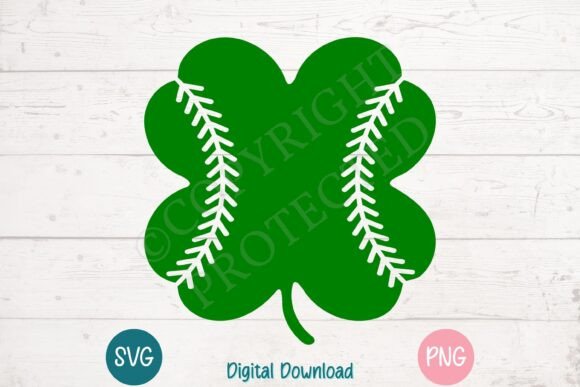
The Baseball Clover St. Patrick’s Day design immediately brings a sense of charm and whimsy to mind. Featuring a green shamrock with subtle baseball stitching details, it strikes a balance between playful and professional. The layout is clean and centered, which makes it easy to place on most garments or items without overwhelming the space.
Its visual personality feels like a celebration—something that would work well as a holiday gift or seasonal merchandise. The detail level is moderate, with clear outlines and some texture in the stitch lines, which adds depth without being too complex. This is one of those designs that feels instantly familiar yet fresh enough to stand out in a handmade or commercial setting.
Who Is It For?
This design appeals to a wide audience. Whether you're an Etsy seller looking to offer personalized gifts or a small shop owner creating seasonal apparel, the Baseball Clover has broad appeal. It’s especially fitting for custom apparel, including sweatshirts, t-shirts, and tote bags. Its cheerful tone could also be used effectively on baby clothes, aprons, or even nursery decor if you’re aiming for a lighthearted St. Patrick’s Day theme.
Real-World Embroidery Performance
I tested the Baseball Clover St. Patrick’s Day on a few common materials to gauge its performance. On medium-weight cotton blends, the design came out crisp and vibrant, with the shamrock standing out clearly against the fabric. The baseball stitching elements were particularly well-executed, showing good definition without requiring overly dense stitch coverage.
When applied to a sweatshirt, the clover maintained its shape and color contrast nicely, making it ideal for holiday gifts or themed apparel. On a tote bag, the graphic looked great when placed near the top seam—perfect for adding a pop of personality to a functional item. I also tried it on a patch-style project, and while it worked well, the stitch density needed slight adjustment to ensure durability without bulk.
One thing I noticed was that the design’s simplicity actually works in its favor. It doesn’t require multiple thread colors or advanced techniques, making it accessible for hobbyists and makers who are still building their embroidery skills. At the same time, its thoughtful detailing ensures it won’t feel amateurish in more professional settings.
Where It Works Best
- Tote Bag Design: A perfect fit for custom St. Patrick’s Day bags. The clover becomes a focal point and adds a festive touch.
- Sweatshirt Embroidery: Especially effective on the chest area. It looks warm and inviting, suitable for both kids and adults.
- Embroidered Patch: Great for patches on jackets or backpacks, provided you use a stabilizer and adjust the stitch density slightly.
- Tea Towels & Pillow Covers: The graphic adds charm to home décor items, especially when paired with other seasonal motifs.
- Baby Embroidery: Soft and friendly, it can work beautifully on onesies or blankets, though consider scaling it down for smaller areas.
Use With Caution: Practical Limitations
While the Baseball Clover St. Patrick’s Day is versatile, there are a few scenarios where it might not perform as expected. Here are some things to keep in mind before committing to a full production run or personal project:
- Small Hoop Sizes: If your hoop size is limited, you may need to scale the design down, which could reduce the visibility of the stitching details.
- Textured Fabrics: The design relies on smooth surfaces to showcase its stitch clarity. Textured or napped fabrics (like fleece) may dull the effect slightly.
- Thin or Stretchy Fabric: These materials can cause distortion in the final stitch-out. Always test on a scrap piece first.
- Dark Fabric Backgrounds: While the green of the clover is bright, using it on dark-colored bases might require adjusting thread shades for better visibility.
- Curved Surfaces Like Caps: The design isn’t optimized for curved embroidery areas. You’ll want to experiment with placement and possibly split the design for better results.
- Products That Need Frequent Washing: Dense fill stitches or lack of proper backing could lead to wear over time. Consider using a heavier-weight fabric or reinforcing with interfacing.
Design Notes for Maximum Impact
To get the best out of the Baseball Clover St. Patrick’s Day design, here are a few tips from the field:
- Test on Scrap Fabric First: Especially important if you plan to use it on stretchy or thin materials.
- Check Thread Color Contrast: Ensure the green of the clover stands out against your chosen background. You might want to test with different shades of green or white accents.
- Review Stitch Density: Adjust fill stitches for delicate fabrics or high-wear items to avoid puckering or fraying.
- Confirm Hoop Size: If you're unsure about compatibility, double-check the recommended hoop size in the digital embroidery file description.
- Inspect Small Details: The stitching pattern on the clover is intricate enough to make a statement but not so detailed that it requires a microscope-level inspection.
- Test in Black and White Mockups: This will help you see how the design functions in grayscale, which is useful for previewing or print-based mockups.
- Compare Light and Dark Fabrics: Try the design on both to see which gives it more impact. Sometimes subtle thread colors work better than bold ones depending on the base.
- Use Proper Stabilizer: Especially for lightweight or stretchy materials. A tear-away or cut-away stabilizer can make a big difference in stitch integrity.
- Licensing Check: Before selling any finished products or digital assets based on this design, always confirm licensing terms. Some graphics require royalties for commercial use.
Visual Appeal and Customer Engagement
In terms of handmade product presentation, the Baseball Clover design enhances the overall aesthetic without feeling gimmicky. It’s the kind of graphic that people notice at a glance and smile at. Customers tend to appreciate these kinds of designs because they add a personal touch—whether it's a gift or a boutique item.
On darker fabrics, the clover still holds up but benefits from a contrasting thread palette. On lighter tones, it really pops and becomes a conversation starter. As a craft business owner or Etsy seller, this can boost buyer engagement and perceived value. People are more likely to click on a product that feels unique and carefully curated.
Impact on Brand Consistency and Professionalism
If you're using this as part of a seasonal collection, the design helps maintain brand consistency by tying into a recognizable theme. It’s not too busy, which means it won’t clash with other logos or patterns you might use. The clean, stylized look supports a professional finish, which is essential for anyone running a small shop product line or offering personalized gifts.
For commercial embroidery projects, the design’s adaptability across garment types and fabric weights is a big plus. However, always ensure the final product matches your brand’s quality standards. This includes checking for shrinkage, color fading, and stitch integrity after washing or wearing.
Final Thoughts for Crafters and Designers
The Baseball Clover St. Patrick’s Day is a solid choice for designers and crafters looking to add a festive, thematic element to their work. It’s not just another holiday graphic—it’s a smart blend of cultural symbolism and sporty charm that resonates with a variety of audiences.
Whether you're preparing a batch of St. Patrick’s Day gifts or planning a new craft fair product line, this design offers a strong foundation. Just remember to tailor your execution to the material and purpose. Every embroidery project is different, and what works on a tote bag might need tweaking for a cap or a pillow cover.
Overall, I’d say this is a design worth considering—but not without testing. Take the time to evaluate how it behaves on your specific substrates, and don’t hesitate to adjust thread colors or stitch types for optimal results. When done right, the Baseball Clover St. Patrick’s Day can elevate your finished product and leave a lasting impression on your customers.